Some Thoughts on Yes Minister
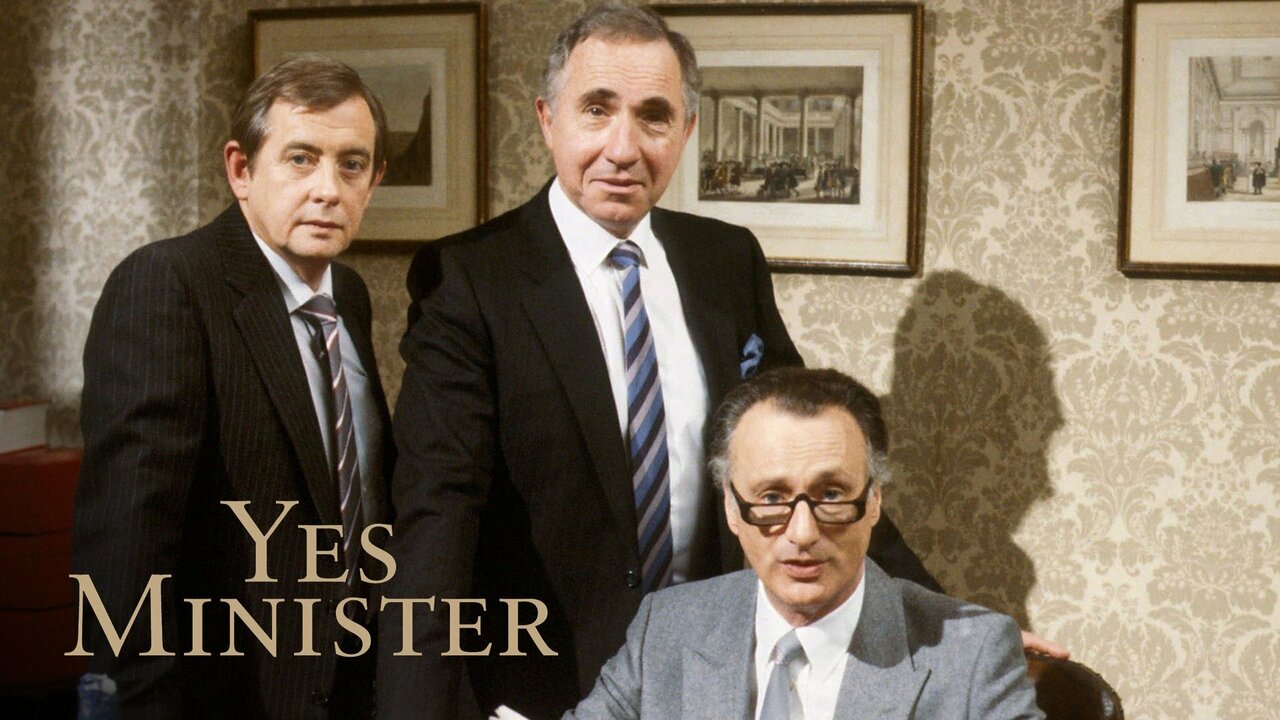
I just started watching the UK TV show Yes Minister and I was wondering on how accurate it is in modern times and outside the UK. The show follows a cabinet minister (the US equivalent would be an executive department head, someone like Linda McMahon or Kristi Noem) named Jim Hacker and his relationship with the Permanent Secretary of his department (I don’t know if such a position exists in the US, but it would be the senior most person not appointed by the executive) Sir Humphrey Appleby. The traditional format is like so, Hacker proposes legislation or policy upheaval, Humphrey opposes it on the grounds that Hacker (and by extension the public, since he is also an MP. While the US dep heads don’t get elected in the same way, the executive {elected every 4 years} appoints them and Congress must approve them, so they and Hacker are still theoretically democratically elected.) is incapable of understanding the executive workings and should stick to doing what the department tells him. Shenanigans ensue. Note that Humphrey has to engineer situations to stop Hacker, he doesn’t actually have the power if Hacker is willing and able to push through (though this is sometimes a bad idea in the show, and Humphrey has to save Hacker from messes the latter puts himself into.)
>My questions are these:
-Do such civil servants exist in the States?
-If so, how qualified are they? (Humphrey and the other civil servants are Classically (Oxford/Cambridge) educated and often snobbish. Humphrey is also experienced, being at his positions for a long period of time. Are such US people from Yale, MIT & the like?)
-These positions are nominally non-partisan with enforced secrecy. Hacker learns from the opposition that they drafted legislation that would be adequate for some purpose and Humphrey tries to stall it for both governments, obfuscating what work the prior party had done on the matter, and claims that he cannot share details of the previous Ministers tenure. If a Democrat is appointed at the head of a Department, can they see the work their predecessor was working on, even if they were a Republican?
-Hacker‘s Ministry has around 23k people in it, all reporting to him and Humphrey. They attempt (Humphrey usually twists words to do what he wants, regardless of Hacker’s wishes) to enact policy positions Hacker, and by extension the government, want to enact. It could be surmised that some of that number run whatever is under the purview of the Department, regardless of political considerations. What is the demarcation of this in US politics? To put the question more bluntly; What do non elected government officials do, exactly?
-Humphrey seems to regard the civil service as the real people running the considerations, with outside political forces mattering little in grand scheme of things. How much power do non-elected Department officials wield in the US? Even despite setbacks, can they guide politicians, who may not know everything, into making sensible (in their eyes) decisions?
-One difference between the UK and US systems is that Congress and the Executive branch are separate in the US, but tied in the UK. If Hacker’s party loses the majority he is kicked out of his ministry, even if he retains his own seat.(Humphrey comments the average tenure of a minister is 11 months). However, during a Democratic President’s tenure, if the House and Senate turn red (and vice versa), how will the ability of the Executive Departments to enact policy be affected? (Of course legislation cannot be tabled, but besides that.)
-Follow up: Apart from legislation, how can the executive affect changes?
-One story about changing the name of a food product to meet requirments seems based on a story from Canada. (British Sausage and Jamaican Patty) Are there any episodes inspired by the US in particular?
Hacker does a very funny Churcill impression from time to time. The show attempts to be politically neutral most of the time, but this and other things give it a tory vibe.

-Bonus: Is the show still accurate to the UK today? What about other parliamentary countries, such as Australia, Germany, Malaysia or India?